
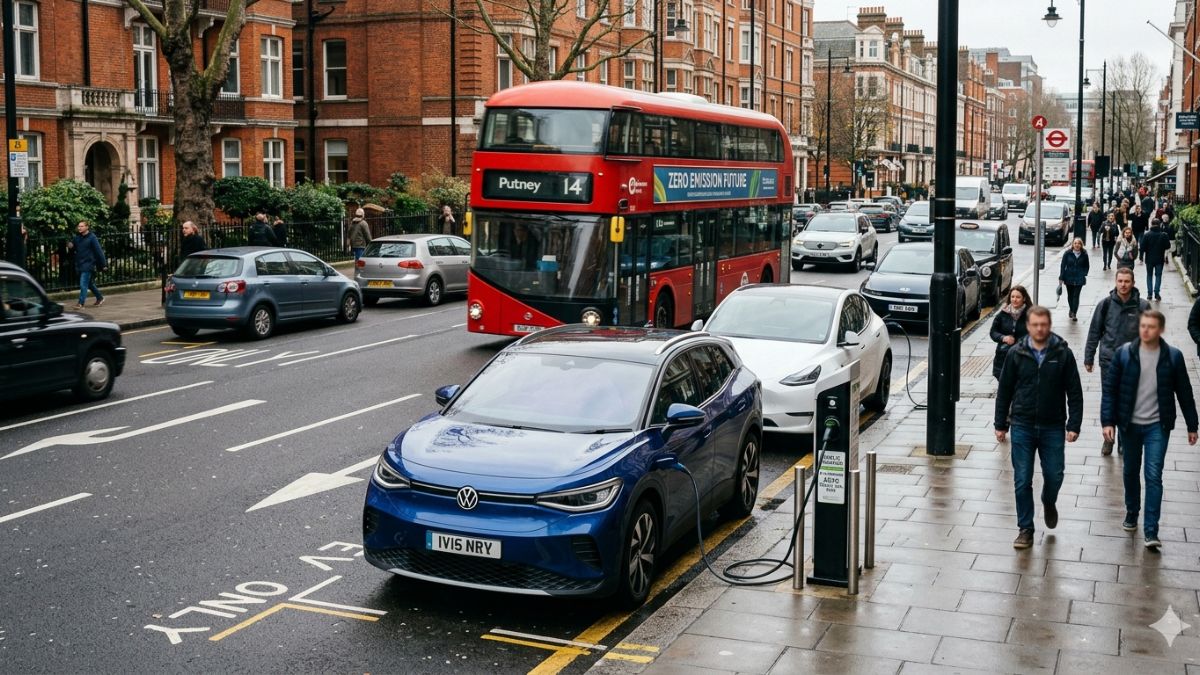

The United Kingdom (UK) government has planned to take a major step toward environmental protection and combating climate change, proposing a ban on the sale of Fossil Fuel new petrol and diesel cars by 2030. The primary objective of this decision is to reduce carbon emissions and promote electric vehicles (EVs). This policy will not only impact the automobile industry but could also have a profound effect on the lives of ordinary citizens, their modes of travel, and future technology.
What is the UK’s 2030 Fuel Car Ban?
According to this plan by the UK government, the sale of new petrol and diesel cars will be phased out after 2030. This does not imply that the use of existing fuel-powered cars will cease; rather, the ban applies solely to the sale of new fuel-powered vehicles.
The aim of this measure is to gradually increase the number of electric and other zero-emission vehicles on the roads while reducing dependence on traditional fuels. This policy constitutes a crucial component of the UK’s net-zero carbon emissions target, which is slated to be achieved by 2050.
The Rationale Behind This Decision
The foremost reason behind this decision is environmental protection. Carbon dioxide and other harmful gases emitted by petrol and diesel vehicles are major contributors to air pollution. This not only degrades the environment but also has a detrimental impact on public health.

The UK government believes that by adopting electric vehicles, these emissions can be significantly reduced. Furthermore, this initiative propels the country forward toward greater energy security and technological self-reliance.
The Growing Importance of Electric Vehicles
Following the ban on fuel-powered cars, the demand for electric vehicles is expected to rise rapidly. Electric cars are powered by batteries and do not require the combustion of any fuel, thereby resulting in near-zero pollution.
Work is already underway in the UK to bolster EV charging infrastructure, ensuring that the public does not face any difficulties regarding vehicle charging. The government is also implementing various schemes to expand the network of charging stations and offer incentives for purchasing EVs.
Impact on the Automobile Industry
This decision will bring about a major transformation in the automobile industry. Companies will be required to shift their production focus toward electric vehicles. Many major car manufacturers are already working on EV models and are in the process of electrifying their product portfolios.
This transition could also generate new employment opportunities, particularly in the fields of battery technology, EV manufacturing, and charging infrastructure. However, industries associated with traditional internal combustion engines may face certain challenges.
Impact on the General Public
This policy will also have an impact on the general public. In the future, people will need to transition from petrol and diesel cars to electric vehicles. Although the upfront cost of EVs may be higher initially, the long-term running and maintenance costs are significantly lower.
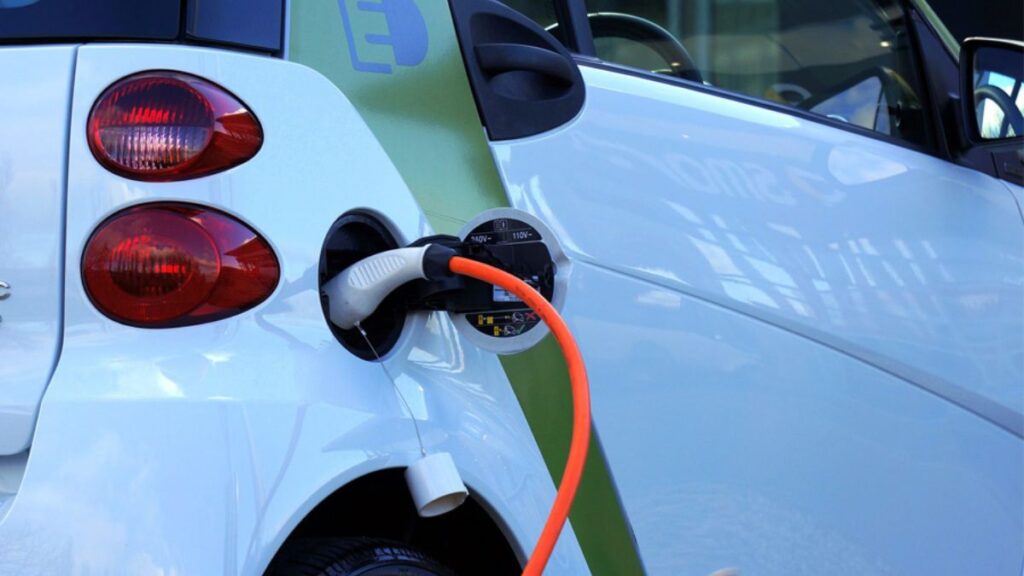
Furthermore, the government may offer incentives such as subsidies or tax exemptions on the purchase of EVs, thereby making it more affordable for people to buy electric cars.
Challenges and Potential Issues
While this initiative is beneficial for the environment, it also faces certain challenges. The most significant challenge is the adequate development of EV infrastructure. Issues such as the availability of charging stations, battery range, and charging times will need to be addressed.
Additionally, it may not be immediately feasible for everyone to purchase an electric vehicle; therefore, maintaining a balance between both types of vehicles during the transition period will be essential.
Future Direction
This move by the UK could serve as a precedent for other countries around the world. Many nations are already formulating their own plans to phase out fuel-powered cars gradually.
In the future, the automobile industry is likely to shift entirely toward electric and green technologies, which will not only aid in environmental conservation but also accelerate the development of new technologies.
Conclusion
The UK’s plan to ban fuel-powered cars by 2030 represents a significant and forward-looking step taken toward environmental protection and sustainable development. This initiative will not only reduce carbon emissions but also promote the adoption of electric vehicles.
Although this transition comes with its own set of challenges, with the right policies and technological advancements, it can be successfully implemented. In the coming years, it will be interesting to see how this policy is implemented and what impact it has on a global level.
FAQs
Q1. What does the UK fossil fuel car ban by 2030 mean?
A. It means new petrol and diesel car sales will be phased out, promoting electric and zero-emission vehicles.
Q2. Will existing petrol and diesel cars be banned?
A. No, existing fossil fuel vehicles can still be used, but new sales will be restricted after 2030.
Q3. Why is the UK implementing this ban?
A. The main goal is to reduce carbon emissions, combat climate change, and promote cleaner transportation.