
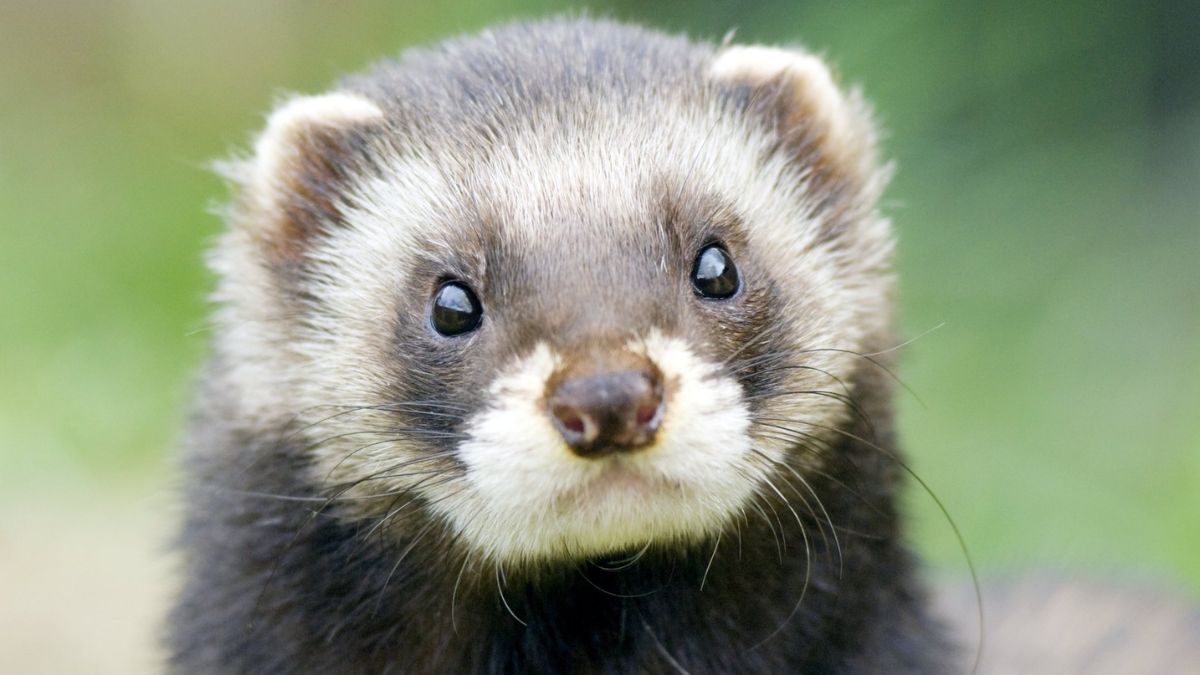

The European polecat—commonly referred to simply as the polecat—is a unique and significant part of the United Kingdom’s wildlife. This small, agile, and elusive mammal is renowned for its dexterity and hunting prowess. At one point, the species teetered on the brink of extinction; however, thanks to conservation efforts and increased public awareness, its population is now showing signs of gradual recovery. The polecat serves not only as a symbol of biodiversity but also plays a crucial role in maintaining the natural ecological balance.
Habitat
Polecats are primarily found in rural and semi-rural landscapes. They prefer to inhabit dense woodlands, field margins, scrublands, and areas situated near water sources. They select locations that offer ample cover for concealment and where prey is readily available. Polecats often establish their dens within old animal burrows, among tree roots, or beneath dense thickets. While their presence is most frequently observed in parts of England and Wales within the UK, they are gradually expanding their range into other regions as well.
Behavior and Lifestyle
The polecat possesses a rather mysterious and solitary nature. It is a nocturnal creature, meaning it is active primarily during the night. During the day, it rests within its burrow or a safe hideout, emerging only after dusk to forage for food. It possesses an exceptionally keen sense of smell and hearing, enabling it to easily detect its prey. The polecat is highly territorial and maintains a distinct distance from other polecats.
Diet
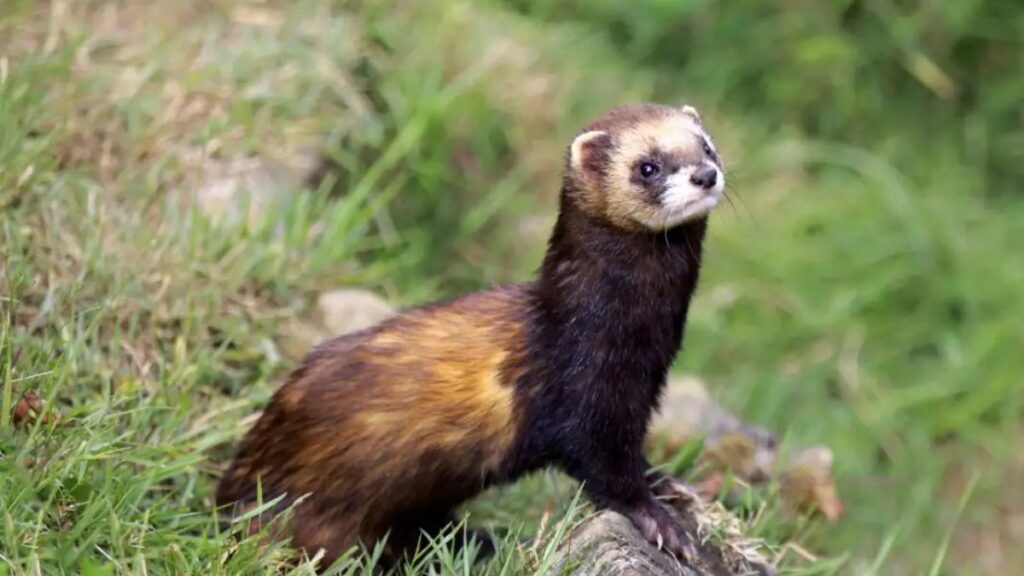
The polecat is a carnivore, and its diet consists primarily of small animals. It preys on mice, rabbits, small birds, frogs, and insects. Its hunting style is swift and precise; it launches sudden, surprise attacks to capture its prey. In this way, it helps to keep the populations of small animals within the ecosystem under control.
Conservation Status
There was a time when the polecat population in the UK declined rapidly. The primary reasons for this were hunting, agricultural expansion, and the destruction of natural habitats. However, the situation has now improved. Wildlife Trusts and other conservation organizations have taken various measures to save this species, such as launching awareness campaigns, conserving habitats, and conducting research. Thanks to these efforts, the polecat population is currently showing a gradual increase—a positive sign.
The Relationship Between Humans and Polecats
Polecats generally prefer to keep their distance from humans and do not pose a direct threat to anyone. However, they can occasionally be spotted in rural areas, particularly where food is abundant. If a polecat feels threatened, it may become aggressive in self-defense. Therefore, if you ever encounter a polecat, it is advisable to observe it from a distance and refrain from disturbing it.
Role in the Ecosystem (Ecological Importance)
The polecat occupies a significant position within the ecosystem. It helps maintain ecological balance by regulating the populations of small animals. In the absence of such predators, the numbers of mice and other small animals could skyrocket, potentially having a negative impact on both agriculture and the environment. Consequently, creatures like the polecat are absolutely essential for maintaining natural equilibrium.
Conclusion
The European polecat is a vital link in the UK’s wildlife tapestry, serving as a reminder that every living creature in nature plays an essential role. Its conservation story demonstrates that by taking the right steps at the right time, we can save numerous species from extinction. The polecat is not merely an animal; it is also a symbol of environmental balance and biodiversity—something that it is the collective responsibility of us all to protect.
FAQs
Q1. What is a polecat in the UK?
A. A polecat is a small carnivorous mammal native to the UK, known for its nocturnal behavior.
Q2. Where do polecats live in the UK?
They are commonly found in rural areas, woodlands, and farmland with plenty of cover.
Q3. Are polecats protected in the UK?
A. Yes, they are protected and their population is supported through conservation efforts.