

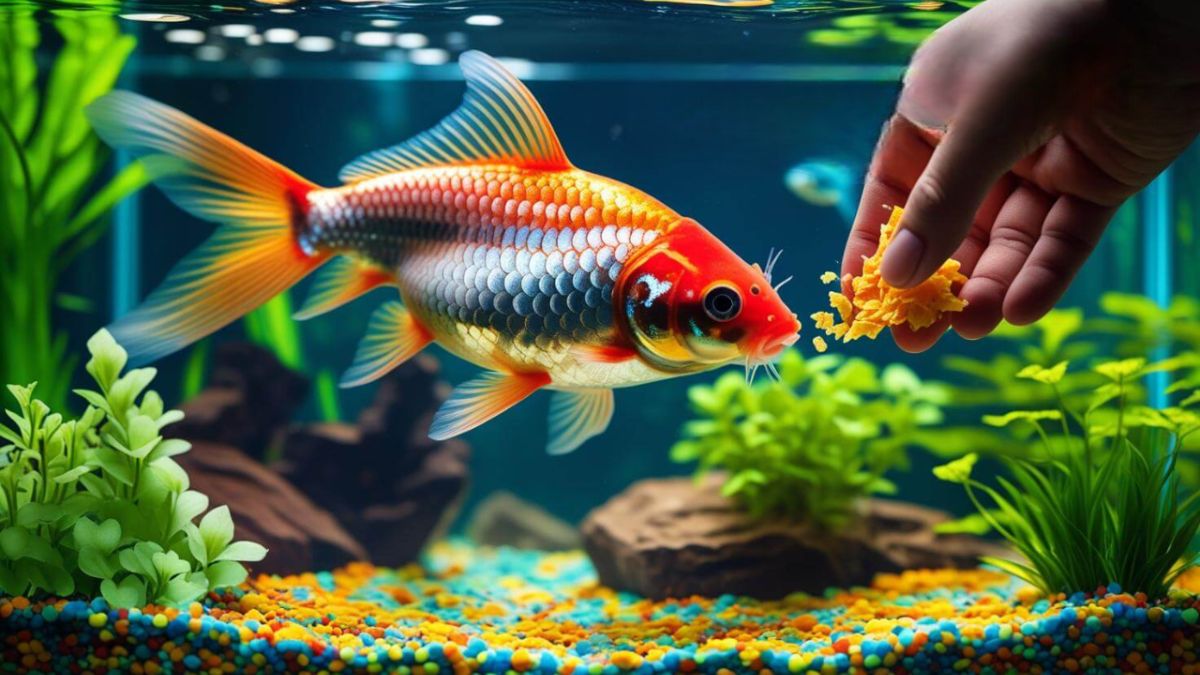
The goldfish (Carassius auratus) has been regarded as one of the most favorite fishes around the world. This is because of its colorful appearance as well as peaceful nature. The species lives in cold-water lakes, ponds, and rivers in Asia. As such, it flourishes in cool and clean water. Currently, there exist various types of goldfish breeds available in the market ranging in terms of their sizes, colors, and shapes, which all make a fish interesting in the aquarium.
The goldfish does not only have an attractive appearance but is also an intelligent and sociable creature. The fish has been able to recognize their masters and get excited at feeding times. If well taken care of, they can survive between 10 and 15 years in some instances up to 30 years. However, the inability of individuals to care for them properly due to lack of adequate information makes their life expectancy shorter than expected. As such, knowledge becomes important.
How to Buy Healthy Goldfish?
When you set out to buy goldfish, the first priority is to ensure that the store is reputable and that the tanks are not overcrowded. Fish kept in overcrowded aquariums are often prone to illness. A healthy goldfish will have vibrant, clear coloration; its fins should be erect and intact; and it should swim effortlessly without any signs of distress.
It is equally important to be able to identify sick fish. If a fish is swimming erratically (bobbing up and down), shows signs of wounds or swelling on its body, or remains motionless in a corner for an extended period, you should avoid purchasing it. A small oversight at this stage can lead to significant problems later on; therefore, making the right choice right from the start is crucial.

Why Is the Right Aquarium Size Important?
Choosing the appropriate tank size is of paramount importance when keeping goldfish. People often keep goldfish in small bowls—a practice that is entirely inappropriate and detrimental to the fish’s well-being. A goldfish requires a tank of at least 50 liters; if you intend to keep multiple fish, the tank size must be increased accordingly.
The tank should be shaped in a way that allows the fish to swim comfortably. Its length should be at least four times the length of the fish’s body. The advantage of maintaining a larger tank is that water quality remains stable for longer periods, thereby keeping the fish healthy. In smaller tanks, waste accumulates rapidly, increasing the risk of disease among the fish.
Maintaining Water Quality
Water quality is the single most critical factor in an aquarium. If the water is not clean and balanced, the fish will fall ill quickly. You should regularly monitor the levels of ammonia, nitrite, and nitrate in the water.
The ideal water parameters are as follows:
| Parameter | Ideal Level |
|---|---|
| Ammonia | Less than 0.1 ppm |
| Nitrite | Less than 0.2 ppm |
| Nitrate | Less than 50 ppm |
| pH | 6.5 – 7.5 |
| Temperature | 20–24°C |
When setting up a new tank, you should test the water every 2–3 days for the first six weeks. Subsequently, testing the water every 1–2 weeks is sufficient. This routine plays a vital role in keeping your fish healthy.
The Importance of Filtration and Oxygen
Goldfish eat much and produce a lot of waste; thus, a good filtering system becomes extremely important. Not only does the filter keep the water clean but helps to maintain bacteria necessary for converting waste materials into less harmful products.
In case if there are no bubbles from your filter and it doesn’t cause any agitation of the water, you will have to purchase either an air pump or an air stone to create enough oxygen. Be attentive about how fast the water moves because there are many species of goldfish that cannot swim fast.
Cleaning of the Tank
The tank cleaning is very important. Weekly changing of water 10-25% and cleaning of the substrate (gravel) from waste materials of fish and food leftovers is necessary.. A siphon tool can be used to facilitate this process. Remember never to start a siphon by mouth, as this can pose a health risk. When performing a water change, it is essential to add a water conditioner to the fresh water before pouring it into the tank to neutralize chlorine.
The filter should also be gently cleaned once a month; however, avoid over-cleaning it, as this can eliminate beneficial bacteria. Always use an aquarium-safe sponge to clean the tank walls, and never use soap or detergent.
The Importance of Plants and Decorations
To ensure goldfish feel secure, it is essential to include plants and decorations in the aquarium. Approximately 50% of the tank should be covered with plants; this helps keep the fish stress-free and encourages greater activity.
You may use either live or artificial plants. Live plants also play a role in keeping the water clean. When arranging decorations, ensure that no objects have sharp edges or points that could injure the fish.
Feeding Goldfish Correctly
The most common mistake in goldfish care is overfeeding. Providing excessive food causes the fish to become obese and also leads to water contamination. You should feed them only once a day, offering only as much food as they can consume within two minutes.
A goldfish’s diet should be balanced, comprising flakes, pellets, and vegetables. Occasionally, you may also offer them peas, brine shrimp, or daphnia. Be sure to avoid feeding them meat-based or fatty foods, as these are harmful to their health.
Lighting and Environment
The aquarium should not be placed in direct sunlight, as this accelerates the growth of algae. Keep the aquarium lights on for a maximum of 10 hours per day, and turn them off at night to allow the fish to rest.
FAQs
1.How often should I clean a goldfish aquarium?
You should clean the tank weekly by changing 10–25% of the water and removing waste.
2.What is the ideal tank size for goldfish?
A minimum of 50 liters per goldfish is recommended for proper growth and health.
3.How often should goldfish be fed?
Feed your goldfish once a day, only what they can eat within 2 minutes.
4.What temperature is best for goldfish?
Goldfish thrive in water temperatures between 20–24°C.
5. Can goldfish live with other fish?
Yes, but only with peaceful and compatible species that can live in similar water conditions.