

Goldfish are often seen as one of the simplest pets to keep, but the truth is quite the opposite. These vibrant, graceful creatures require thoughtful care, a proper environment, and consistent attention to truly thrive. Many people make the mistake of assuming that a small bowl and occasional feeding are enough, but goldfish are living beings with specific needs that go far beyond that.
To care for your goldfish properly, the first step is understanding them. Goldfish are social, curious, and surprisingly intelligent fish. They can recognize their owners, respond to feeding routines, and even display playful behaviors. When you begin to see your goldfish as more than just decoration, your approach to their care naturally becomes more attentive and responsible.
Creating the Right Home Environment
The environment you provide for your goldfish plays a crucial role in their health and happiness. Contrary to popular belief, a bowl is not an ideal home. Goldfish need space to swim and grow, and they can become quite large depending on their variety.
A spacious aquarium with proper filtration is essential. Clean, well-oxygenated water helps your goldfish stay active and reduces the risk of disease. The tank should be large enough to accommodate growth, allowing your fish to move freely without feeling confined. When setting up the tank, it’s important to create a balanced environment that mimics their natural habitat as closely as possible.
Water quality is one of the most critical aspects of goldfish care. Regularly checking and maintaining clean water ensures your fish can breathe easily and remain stress-free. A filter not only keeps the water clear but also removes harmful waste that can build up over time.
Maintaining Ideal Water Conditions
Goldfish are sensitive to changes in their environment, especially when it comes to water conditions. Temperature, pH levels, and cleanliness all contribute to their well-being. Unlike tropical fish, goldfish prefer cooler water, and sudden changes in temperature can cause stress or illness.
Consistency is key. Keeping the water stable and performing regular partial water changes helps maintain a healthy balance. It’s not about replacing all the water at once, but rather refreshing a portion of it to keep toxins low while preserving beneficial bacteria.
Clean water doesn’t just look good—it directly impacts your goldfish’s health, energy levels, and lifespan. When the water is properly maintained, your goldfish will appear more vibrant, active, and responsive.
Feeding Your Goldfish the Right Way
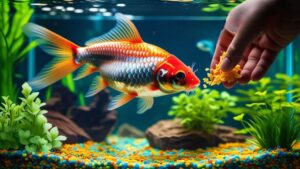
Feeding your goldfish may seem simple, but it requires a bit of attention and care. Overfeeding is one of the most common mistakes and can lead to serious health problems. Goldfish have small stomachs and should be fed in moderation.
Providing a balanced diet ensures your goldfish receive the nutrients they need to grow and stay healthy. High-quality fish food, along with occasional treats, can help maintain their energy and color. Feeding them at the same time each day creates a routine they quickly adapt to.
It’s also important to observe their eating habits. Healthy goldfish are eager eaters, and any sudden change in appetite can be a sign of stress or illness. Paying attention during feeding time gives you valuable insight into their overall condition.
The Importance of Tank Cleanliness
A clean tank is not just about aesthetics—it’s essential for your goldfish’s survival. Waste, uneaten food, and debris can quickly accumulate, leading to poor water quality and potential health issues.
Regular cleaning involves removing waste from the bottom of the tank, cleaning decorations, and ensuring the filter is functioning properly. However, it’s important not to over-clean, as beneficial bacteria play a vital role in maintaining a balanced ecosystem within the aquarium.
Finding the right balance between cleanliness and stability helps create a safe and comfortable environment for your goldfish. When the tank is well-maintained, your fish will be more active and less prone to disease.
Recognizing Signs of Stress and Illness
Goldfish cannot communicate in words, but they show clear signs when something is wrong. Changes in behavior, appearance, or activity levels can indicate stress or illness. A healthy goldfish swims actively, has bright colors, and shows interest in its surroundings.
If your goldfish becomes lethargic, stops eating, or develops unusual spots or discoloration, it’s important to act quickly. Early detection can make a significant difference in treatment and recovery.
Stress can often be caused by poor water quality, overcrowding, or sudden environmental changes. By maintaining a stable and clean habitat, you can prevent many common health issues and ensure your goldfish remains happy and healthy.
Giving Your Goldfish Space to Grow
One of the most misunderstood aspects of goldfish care is their growth potential. Many people believe goldfish only grow to the size of their tank, but this is a misconception. In reality, restricted space can stunt their growth and negatively affect their health.
Providing adequate space allows your goldfish to grow naturally and live a longer, healthier life. A well-sized tank not only supports physical growth but also encourages natural behaviors such as exploring and swimming freely.
When your goldfish has enough room, you’ll notice a significant difference in its activity level and overall vitality. Space is not a luxury for goldfish—it’s a necessity.
Building a Routine for Better Care
Consistency is one of the most important elements of goldfish care. Establishing a routine for feeding, cleaning, and monitoring helps create a stable environment that your fish can rely on.
Goldfish thrive on predictability. When they know when to expect food and experience consistent water conditions, they feel more secure and less stressed. This routine also makes it easier for you to notice any changes or potential issues early on.
Taking a few moments each day to observe your goldfish can strengthen your connection and improve their quality of life. Over time, you’ll become more attuned to their behavior and needs.
Adding Enrichment to Their Environment
Goldfish are not passive creatures—they enjoy exploring and interacting with their surroundings. Adding plants, decorations, and safe objects to the tank can provide stimulation and prevent boredom.
A thoughtfully designed tank not only looks beautiful but also enhances your goldfish’s well-being. However, it’s important to choose decorations that are safe and free from sharp edges that could harm your fish.
Creating an engaging environment encourages natural behaviors and keeps your goldfish active and curious. A stimulated fish is often a healthier and happier one.
The Emotional Reward of Caring for Goldfish
Caring for a goldfish is more than just a responsibility—it can be a deeply rewarding experience. Watching your fish grow, recognizing your presence, and responding to your care creates a unique bond.
Goldfish may not show affection in the same way as other pets, but their subtle behaviors and interactions can be incredibly meaningful. When you invest time and effort into their care, you’re rewarded with a thriving, vibrant companion.
This connection transforms goldfish keeping from a simple task into a fulfilling part of your daily life.
Final Thoughts on Goldfish Care
Caring for a goldfish is about commitment, patience, and understanding. These beautiful creatures rely entirely on you to provide a safe, clean, and nurturing environment. When you meet their needs with consistency and care, they can live long, healthy lives and bring joy to your home.
It’s easy to underestimate what goldfish require, but once you take the time to learn and apply proper care, the difference becomes clear. A well-cared-for goldfish is active, colorful, and full of life—a reflection of the effort you put into its world.
In the end, goldfish care is not about doing the bare minimum. It’s about creating a space where your fish can truly thrive, and in doing so, discovering the quiet satisfaction that comes from nurturing another living being.
FAQs
1. How often should I feed my goldfish?
Feed your goldfish 1–2 times a day in small amounts they can finish within a minute or two.
2. How often should I clean the goldfish tank?
Partial water changes should be done weekly, while full cleaning depends on tank condition and size.
3. Can goldfish live in a bowl?
No, goldfish need a proper tank with filtration and enough space to stay healthy and grow.