
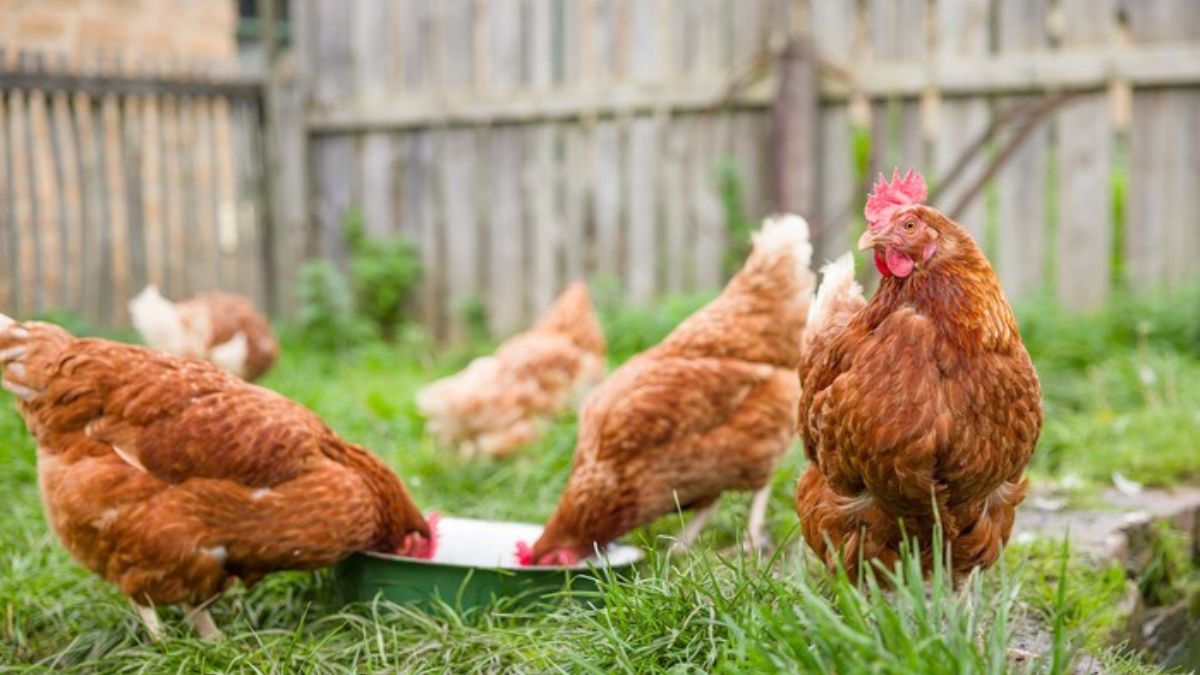

Backyard chicken keeping has become increasingly popular, offering fresh eggs, natural pest control, and a deeper connection to food sources. One of the most common questions new poultry owners ask is whether they need a rooster to accompany their hens. While roosters are often seen as an essential part of a flock, the reality is more nuanced. Understanding the role of a rooster can help you decide what is best for your backyard setup.
The Role of a Rooster in a Flock
A rooster’s primary biological role is reproduction. He fertilizes eggs, making it possible for hens to hatch chicks. Without a rooster, hens will still lay eggs regularly, but those eggs will not be fertilized and therefore cannot develop into chicks. Aside from breeding, roosters often act as protectors. They keep a watchful eye for potential threats and may alert the flock with loud calls if danger approaches. In some cases, they also help maintain social order within the group.
Egg Production Without a Rooster
One of the biggest misconceptions about backyard chickens is that hens need a rooster to lay eggs. In truth, hens will lay eggs regardless of whether a rooster is present. Egg production is influenced more by factors such as daylight, nutrition, and overall health. This means that if your goal is simply to collect fresh eggs for household use, a rooster is not necessary. Many backyard chicken keepers successfully maintain all-hen flocks without any issues.
Noise and Neighborhood Considerations
Roosters are well known for their crowing, which can begin early in the morning and occur throughout the day. While some people enjoy the rustic charm of a crowing rooster, it can be a major concern in residential areas. Noise complaints are one of the most common reasons roosters are not allowed in urban or suburban neighborhoods. Before deciding to keep one, it is important to check local regulations and consider how close your neighbors are.
Behavior and Temperament
Roosters can have varied temperaments. Some are calm and friendly, while others can be aggressive, especially during breeding seasons. An aggressive rooster may chase or peck at humans, which can be particularly concerning if children are around. Hens, on the other hand, are generally more docile and easier to manage. If you are new to chicken keeping, starting with hens alone may provide a smoother and more enjoyable experience.
Protection and Flock Dynamics
While roosters are often credited with protecting hens, their effectiveness varies. A vigilant rooster may spot predators and warn the flock, but he is not always capable of preventing an attack. Good coop design, secure fencing, and proper management are far more reliable methods of protection. However, some chicken keepers appreciate the added sense of security and natural behavior a rooster brings to the flock.
Breeding and Sustainability
If your goal is to raise chicks or maintain a self-sustaining flock, a rooster becomes necessary. Fertilized eggs are required for incubation, whether naturally under a broody hen or using an incubator. Keeping a rooster allows you to experience the full life cycle of chickens, from eggs to chicks and eventually to mature birds. This can be a rewarding aspect of backyard farming, but it also requires additional responsibility and planning.
Legal Restrictions and Practical Challenges
In many areas, local ordinances restrict or completely prohibit keeping roosters due to noise concerns. Even where they are allowed, there may be limits on the number you can keep. Roosters also require the same care as hens, including proper housing, feeding, and health management. In some cases, managing a rooster can add complexity to your setup, especially if conflicts arise within the flock.
Conclusion
Keeping a rooster with your backyard hens is not a requirement for egg production, and many poultry owners choose to keep hens only. While roosters offer benefits such as fertilization, natural flock behavior, and potential protection, they also bring challenges like noise, aggression, and legal restrictions. Ultimately, the decision depends on your goals, living situation, and personal preferences. If you are primarily interested in fresh eggs and a low-maintenance setup, hens alone will serve you well. However, if you wish to breed chickens or enjoy a more traditional flock dynamic, adding a rooster can be a meaningful choice when managed responsibly.
FAQs
Q1. Do hens need a rooster to lay eggs?
No, hens lay eggs naturally without a rooster. A rooster is only needed for fertilized eggs.
Q2. What are the benefits of having a rooster?
Roosters can protect the flock, maintain order, and fertilize eggs for breeding.
Q3. Are there any downsides to keeping a rooster?
Yes, roosters can be noisy, aggressive, and may not be allowed in urban areas.