


In recent years, financial relief programs have become an important source of support for individuals and families facing economic challenges. One such topic gaining attention is the proposed or discussed $2000 benefit associated with the Internal Revenue Service. While many people are eager to understand how this payment works, it is essential to break down the eligibility criteria, rules, and key facts in a clear and practical way. Whether you are a taxpayer looking for relief or simply trying to stay informed, understanding this benefit can help you make better financial decisions.
What Is the IRS $2000 Benefit?
The IRS $2000 benefit generally refers to a financial payment that may be issued to eligible individuals under specific government relief programs or tax credit expansions. While it is often discussed as a direct payment, in many cases, such benefits are tied to tax credits, refunds, or stimulus measures designed to provide economic support.
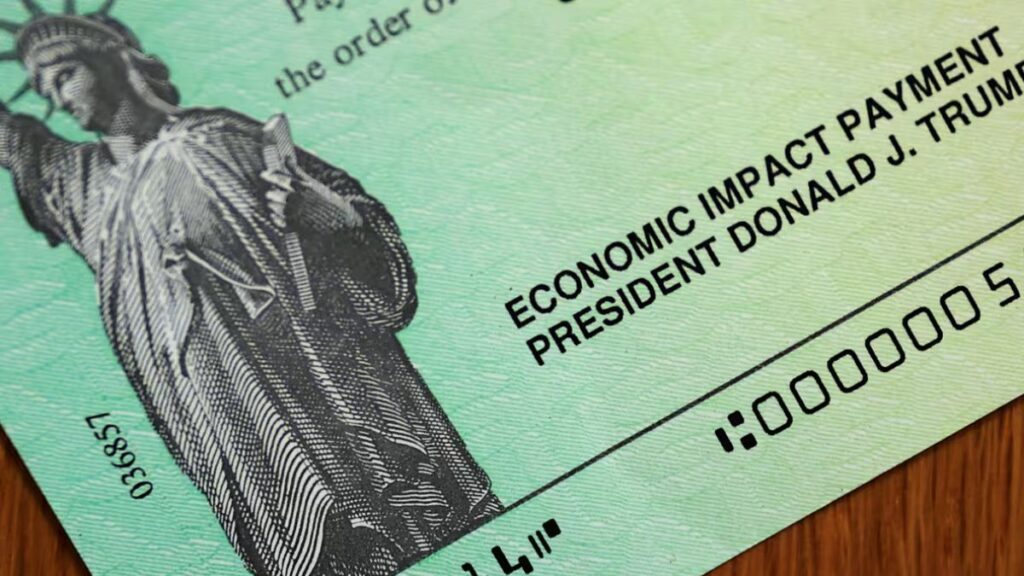
These payments are typically introduced in response to economic conditions, inflation pressures, or policy changes aimed at helping middle- and lower-income households. The exact structure of the benefit can vary depending on the legislation behind it, but the goal remains the same—to provide financial relief to those who need it most.
Who Is Eligible for the $2000 Payment?
Eligibility for the $2000 benefit depends on several factors, and not everyone may qualify. The Internal Revenue Service usually determines eligibility based on income level, filing status, and residency requirements.
For instance, individuals earning below a certain income threshold are more likely to qualify for the full payment, while those with higher incomes may receive a reduced amount or may not be eligible at all. Filing status—such as single, married filing jointly, or head of household—also plays a significant role in determining the benefit amount.
Additionally, applicants are generally required to have filed their tax returns for the relevant year. This allows the IRS to assess income details and verify eligibility efficiently.
Income Limits and Phase-Out Rules
One of the most important aspects of the $2000 benefit is the income threshold and phase-out system. These rules are designed to ensure that the benefit is targeted toward those who need it the most.
Typically, there is a defined income range within which taxpayers can receive the full payment. As income rises above this range, the benefit gradually decreases. This process, known as “phase-out,” continues until the payment is completely eliminated for high-income earners.
Understanding these limits is crucial, as even a slight increase in income could affect the amount you receive. Tax planning strategies, such as maximizing deductions or credits, may help some individuals remain within the qualifying range.
How and When Will Payments Be Sent?
If approved, payments are usually distributed by the Internal Revenue Service through direct deposit, paper checks, or prepaid debit cards. Among these, direct deposit is the fastest and most reliable method.

The timeline for receiving payments can vary depending on when the program is implemented and how quickly tax returns are processed. In many cases, individuals who have already set up direct deposit and filed their returns early tend to receive their payments sooner.
It is also worth noting that payment schedules may be rolled out in phases, meaning not everyone will receive their benefit at the same time. Staying updated through official IRS announcements can help you track your payment status.
Key Rules to Keep in Mind
There are several important rules associated with the $2000 benefit that taxpayers should be aware of. First, accuracy is critical. Any errors in your tax return, such as incorrect income details or missing information, can delay or even disqualify your payment.
Second, eligibility is often based on the most recent tax return filed. If your financial situation has changed significantly, it could impact your qualification status. For example, a decrease in income may make you eligible for a higher benefit.
Another important rule is that these payments are generally not considered taxable income. However, they may still need to be reported in certain cases, depending on how the program is structured.
Common Misconceptions About the $2000 Benefit
There is often confusion surrounding government payments, and the $2000 benefit is no exception. One common misconception is that everyone automatically qualifies for the payment. In reality, strict eligibility criteria must be met.
Another misunderstanding is that the payment is always issued as a lump sum. Depending on the program, it could be distributed as part of a tax refund or spread out over time through credits.
Some people also assume that applying separately is necessary. In most cases, if the benefit is tied to tax filings, no separate application is required—filing your tax return is sufficient.
How to Ensure You Receive Your Payment
To maximize your chances of receiving the $2000 benefit, it is important to take a few proactive steps. Start by filing your tax return on time and ensuring that all information is accurate. Double-check your income details, bank account information, and personal data before submission.
Setting up direct deposit with the Internal Revenue Service can significantly speed up the payment process. Additionally, keeping track of official updates and announcements will help you stay informed about any changes to the program.
If you believe you qualify but do not receive your payment, you may need to contact the IRS or review your tax return to identify any issues.
The Broader Impact of Financial Relief Programs
Programs like the $2000 benefit play a vital role in supporting households during challenging economic times. They help cover essential expenses, boost consumer spending, and contribute to overall economic stability.
For many families, such payments can make a meaningful difference, whether it’s paying bills, managing debt, or saving for future needs. While the specifics of each program may vary, the underlying purpose remains consistent—to provide timely and effective financial assistance.
Final Thoughts
The IRS $2000 benefit represents an important opportunity for eligible taxpayers to receive financial support. By understanding the eligibility criteria, income limits, payment methods, and key rules, you can better prepare yourself to take advantage of this potential benefit.
As with any government program, staying informed and ensuring accuracy in your financial records is essential. The Internal Revenue Service continues to play a central role in administering such benefits, making it important for taxpayers to rely on official sources for updates and guidance.
In the end, being proactive and well-informed can help you navigate the process smoothly and ensure that you receive the support you are entitled to.
FAQs
Q1. What is the IRS $2000 benefit?
It is a financial relief payment or tax-related benefit for eligible individuals.
Q2. Who qualifies for the $2000 payment?
Eligibility depends on income, tax filing status, and IRS criteria.
Q3. How will the payment be received?
It is usually sent via direct deposit, check, or debit card.
Q4. Are there income limits for this benefit?
Yes, higher-income individuals may receive reduced or no payment.
Q5. Is the $2000 benefit taxable?
Generally, such relief payments are not considered taxable income.