
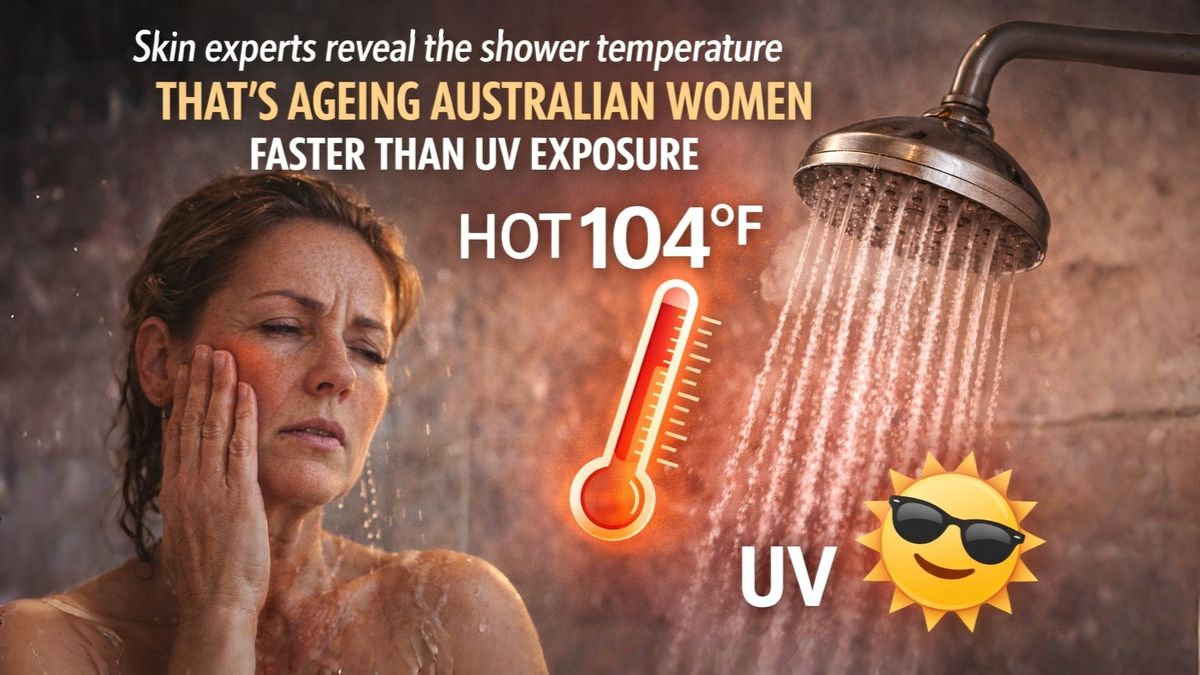
Skin experts reveal the shower temperature that’s ageing Australian women faster than UV exposure

When we think about what ages our skin the fastest, most of us immediately point to sun exposure. Ultraviolet rays have long been considered the primary culprit behind wrinkles, pigmentation, and loss of elasticity. However, recent insights from skin experts suggest that an everyday habit many people overlook may be just as damaging—if not more so.
The temperature of your daily shower, something that feels harmless and even comforting, could be silently accelerating the aging process of your skin. For many Australian women, who often balance busy lifestyles with self-care routines, long hot showers are a common way to relax. But what feels soothing in the moment may be causing long-term harm beneath the surface.
Understanding how shower temperature affects your skin can help you make small yet impactful changes that preserve your skin’s health and youthful appearance.
Why Hot Showers Feel So Good
There is a reason why people are naturally drawn to hot showers. Warm water relaxes muscles, improves circulation, and provides a sense of comfort after a tiring day. It can also create a calming ritual that signals the body to unwind.
In cooler climates or during winter months, the appeal of hot showers becomes even stronger. Stepping into a steamy bathroom can feel like a temporary escape from the outside world. However, this comfort often leads to longer showers and higher water temperatures, which can have unintended effects on the skin.
While the immediate sensation is pleasant, the long-term impact of repeated exposure to hot water is something that deserves closer attention.
The Science Behind Skin Aging
To understand why shower temperature matters, it is important to know how the skin ages. The outer layer of the skin acts as a protective barrier, retaining moisture and shielding against environmental damage. Beneath this layer, collagen and elastin provide structure, keeping the skin firm and elastic.
When the skin is exposed to harmful conditions, such as excessive heat or UV radiation, these structures begin to break down. Collagen production decreases, and the skin loses its ability to retain moisture effectively. This leads to visible signs of aging, including fine lines, dryness, and a dull complexion.
While UV exposure remains a major factor, experts now emphasize that repeated exposure to hot water can also disrupt the skin’s natural balance, contributing to similar outcomes over time.
How Hot Water Damages the Skin Barrier
One of the most significant effects of hot showers is the damage they cause to the skin’s natural barrier. This barrier is made up of lipids and proteins that help lock in moisture and keep irritants out.
When you shower in very hot water, these essential oils are stripped away. The result is a weakened barrier that cannot retain hydration as effectively. This leads to dryness, tightness, and increased sensitivity.
Over time, a compromised skin barrier becomes more vulnerable to external stressors, including pollution and UV rays. This means that hot showers not only cause direct damage but also make the skin less resilient to other aging factors.
The Link Between Heat and Collagen Breakdown
Heat plays a crucial role in how the skin ages. Just as UV rays generate free radicals that damage collagen, excessive heat can have a similar effect. Prolonged exposure to hot water may accelerate the breakdown of collagen fibers, reducing the skin’s firmness and elasticity.
This process does not happen overnight, which is why it often goes unnoticed. However, consistent exposure over months and years can lead to visible changes. Fine lines may appear earlier, and the skin may start to sag or lose its natural bounce.
For individuals who already spend time in the sun, the combination of UV exposure and hot showers can amplify these effects, making skin aging more pronounced.
Why Australian Women May Be More Affected
Australia is known for its sunny climate, which already exposes individuals to higher levels of UV radiation compared to many other regions. As a result, skincare awareness is generally high, with many people prioritizing sunscreen and protective measures.
However, the impact of hot showers is often overlooked. After a long day in the sun, a hot shower may feel like the perfect way to relax, but it can add another layer of stress to the skin.
This combination of environmental exposure and daily habits can accelerate the aging process more than expected. It highlights the importance of considering not just outdoor factors but also indoor routines when it comes to skincare.
Signs Your Shower Routine May Be Aging Your Skin
The effects of hot showers can manifest in subtle ways at first. You may notice that your skin feels tight or dry immediately after stepping out of the shower. Over time, this dryness can become more persistent, leading to flakiness and irritation.
Another common sign is increased sensitivity. If your skin reacts more easily to products or environmental changes, it could be a sign that the protective barrier has been compromised.
In the long term, these changes can contribute to a dull complexion, uneven texture, and the early appearance of fine lines. Recognizing these signs early can help you adjust your routine before more significant damage occurs.
Finding the Ideal Shower Temperature
Experts generally recommend using lukewarm water rather than hot water for showers. Lukewarm water is gentle on the skin and helps maintain its natural oils while still providing a comfortable cleansing experience.
A good rule of thumb is to keep the water temperature similar to body temperature or slightly warm. If the water feels too hot to comfortably keep your hand under for an extended period, it is likely too hot for your skin as well.
Shorter showers can also make a difference. Limiting your time under running water reduces the amount of exposure and helps preserve the skin’s natural balance.
Supporting Your Skin After Showering
Even with the right temperature, post-shower care plays an important role in maintaining healthy skin. Applying a moisturizer immediately after showering helps lock in hydration and restore the skin barrier.
Look for products that contain ingredients like hyaluronic acid, ceramides, and natural oils. These components help replenish moisture and strengthen the skin’s defenses.
Gently patting your skin dry instead of rubbing it with a towel can also prevent unnecessary irritation. Small changes like these can have a significant impact over time.
Balancing Comfort and Skin Health
It is understandable that many people are reluctant to give up hot showers entirely. The key is not to eliminate comfort but to find a balance that supports both relaxation and skin health.
You might choose to enjoy a slightly warmer shower occasionally while keeping your daily routine at a safer temperature. Being mindful of how your skin feels and adjusting accordingly can help you maintain this balance.
By making conscious choices, you can continue to enjoy your shower routine without compromising your skin’s long-term health.
Long-Term Benefits of Healthier Shower Habits
Switching to a more skin-friendly shower routine may not produce immediate dramatic results, but the benefits become noticeable over time. Skin that retains its natural moisture looks more radiant, feels smoother, and is less prone to irritation.
Maintaining a strong skin barrier also helps protect against environmental damage, slowing down the aging process. This means fewer fine lines, improved texture, and a more even complexion as the years go by.
In the long run, these small adjustments can contribute to healthier, more resilient skin that ages gracefully.
Conclusion: Rethinking a Daily Habit
The idea that something as simple as shower temperature can influence skin aging is both surprising and empowering. It reminds us that skincare is not just about the products we use but also about the habits we practice every day.
For Australian women and anyone else seeking to maintain youthful, healthy skin, paying attention to shower temperature is a practical and effective step. By choosing lukewarm water, limiting exposure, and supporting the skin with proper care, you can reduce unnecessary damage and support your skin’s natural vitality.
Ultimately, achieving beautiful skin is about consistency and awareness. Small, mindful changes in your daily routine can lead to lasting results, helping you look and feel your best for years to come.
FAQs
What shower temperature is best for your skin?
Lukewarm water is best as it helps protect the skin’s natural oils and prevents dryness.
Can hot showers really cause skin aging?
Yes, frequent hot showers can damage the skin barrier and speed up moisture loss, leading to premature aging.
How can I protect my skin after a shower?
Apply a moisturizer immediately after showering to lock in hydration and support the skin barrier.