


The idea of receiving a $2,000 payment from the IRS has generated a great deal of attention, especially among individuals and families looking for financial relief in uncertain economic times. Whether it is part of a stimulus program, tax credit, or relief initiative, understanding the criteria behind such a payment is essential. Many people assume that everyone automatically qualifies, but the truth is more nuanced. Eligibility depends on several factors, including income level, filing status, and whether certain requirements are met within a given tax year.
In this article, we will break down everything you need to know about the IRS $2,000 payment criteria, how eligibility works, and what steps you can take to ensure you don’t miss out on potential benefits.
Understanding the $2000 IRS Payment
The $2,000 payment often refers to government-issued financial relief, which may come in the form of stimulus checks, tax credits, or refunds. While the exact nature of the payment can vary depending on legislation, the purpose remains the same: to provide financial support to eligible taxpayers.
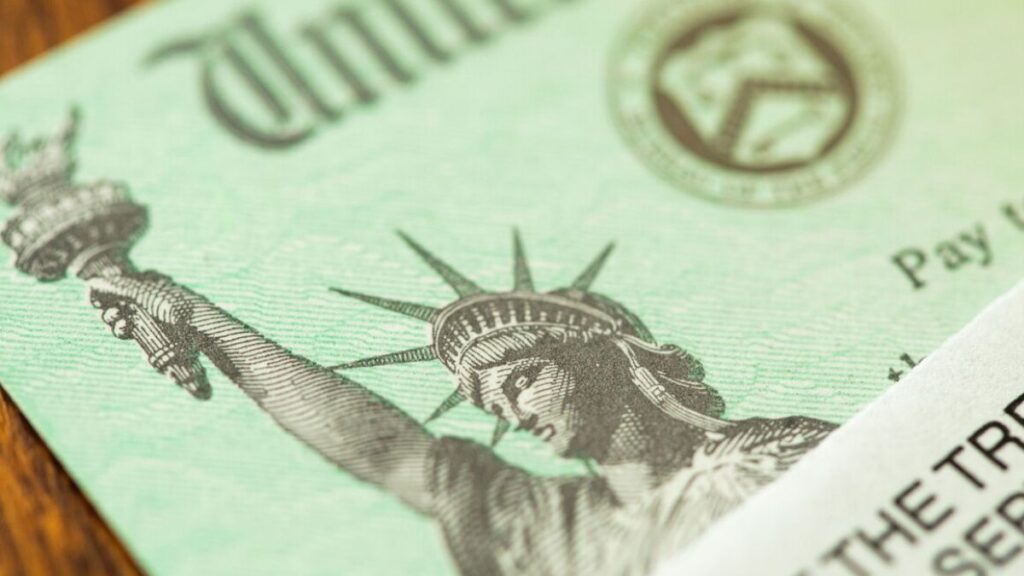
These payments are typically introduced during times of economic difficulty or as part of broader fiscal policies aimed at supporting households. Unlike traditional tax refunds, which are based solely on overpaid taxes, relief payments may be partially or fully independent of how much tax you owe.
Who Is Eligible for the $2000 Payment?
Eligibility is one of the most important aspects to understand. Not everyone qualifies, and the IRS uses specific guidelines to determine who receives the payment.
First and foremost, your income plays a major role. Individuals with lower to moderate incomes are usually prioritized. There is typically a threshold, and once your income exceeds a certain level, the payment amount may begin to phase out or disappear entirely.

Filing status is another critical factor. Whether you file as a single taxpayer, married filing jointly, or head of household can affect both your eligibility and the amount you receive. For example, married couples often have higher income limits compared to single filers.
Dependents may also influence eligibility. In some cases, families with qualifying children or dependents may receive additional benefits, making the total payment higher than the base amount.
Income Limits and Phase-Out Rules
One of the most common reasons people do not receive the full $2,000 payment is due to income limits. The IRS sets specific thresholds, and once your adjusted gross income (AGI) crosses these limits, your payment begins to decrease gradually.

This process is known as a “phase-out.” For example, if the income cap is set at a certain level, individuals earning slightly above that may still receive a reduced payment. However, those earning significantly more may not qualify at all.
It is important to note that the IRS typically uses your most recent tax return to determine eligibility. This means your financial situation from the previous year can directly impact whether you receive the payment now.
Importance of Filing Your Taxes
Filing your taxes on time is crucial if you want to be considered for any IRS payment. Even individuals who are not normally required to file a tax return may need to do so in order to claim the benefit.

The IRS relies on tax return information to calculate eligibility, verify identity, and determine where to send the payment. Without this information, it becomes difficult for the agency to process your payment.
Additionally, ensuring that your personal details—such as your address and bank account information—are up to date can help avoid delays. Direct deposit is usually the fastest way to receive funds, while paper checks or debit cards may take longer.
How Payments Are Distributed
Once eligibility is confirmed, the IRS distributes payments using several methods. The most common method is direct deposit, which allows funds to be transferred directly into your bank account. This is not only faster but also more secure.
If direct deposit information is not available, the IRS may send a paper check or a prepaid debit card to your mailing address. While these methods are reliable, they often take more time to arrive.
Timing can vary depending on processing schedules, the volume of payments being issued, and whether there are any issues with your tax return. Therefore, patience is sometimes necessary during large-scale payment rollouts.
Common Reasons for Delays or Denials
There are several reasons why you might not receive your $2,000 payment, even if you believe you are eligible. One common issue is incorrect or outdated information on your tax return. Errors in your Social Security number, bank details, or filing status can lead to delays.
Another reason could be income changes. If your earnings increased beyond the eligibility threshold, you may no longer qualify. Similarly, individuals who have not filed recent tax returns may be overlooked until their information is updated.
In some cases, payments may also be offset to cover outstanding debts, such as unpaid taxes or certain government obligations. Understanding these possibilities can help you take corrective action if needed.
Steps to Ensure You Receive Your Payment
To maximize your chances of receiving the $2,000 payment, there are several steps you can take. Start by filing your latest tax return accurately and on time. Double-check all personal and financial information to avoid errors.
Next, ensure that your banking details are up to date with the IRS. This will allow you to receive the payment via direct deposit, which is the fastest method.
It is also a good idea to stay informed about any updates or announcements related to the payment. Government programs can change, and new rules may be introduced that affect eligibility.
Final Thoughts
The IRS $2,000 payment can provide valuable financial support, but understanding the criteria is key to determining whether you qualify. From income limits and filing status to tax return requirements and payment methods, each factor plays a role in the overall process.
By staying informed, filing your taxes correctly, and ensuring your information is up to date, you can improve your chances of receiving the payment without unnecessary delays. While the rules may seem complex at first, taking the time to understand them can make a significant difference in accessing the financial assistance you may be entitled to.
If you are unsure about your eligibility, consider reviewing your latest tax return or consulting a tax professional. Being proactive is the best way to ensure you don’t miss out on potential benefits.
FAQs
Q1. Who is eligible for the IRS $2000 payment?
A. Low- to middle-income taxpayers meeting IRS criteria qualify.
Q2. Is filing taxes required to receive the $2000 payment?
A. Yes, a recent tax return is usually required.
Q3. Does income affect the $2000 payment eligibility?
A. Yes, higher income may reduce or eliminate the payment.
Q4. How will the IRS send the $2000 payment?
A. Via direct deposit, paper check, or debit card.
Q5. Can dependents increase the payment amount?
A. Yes, qualifying dependents may increase benefits.